





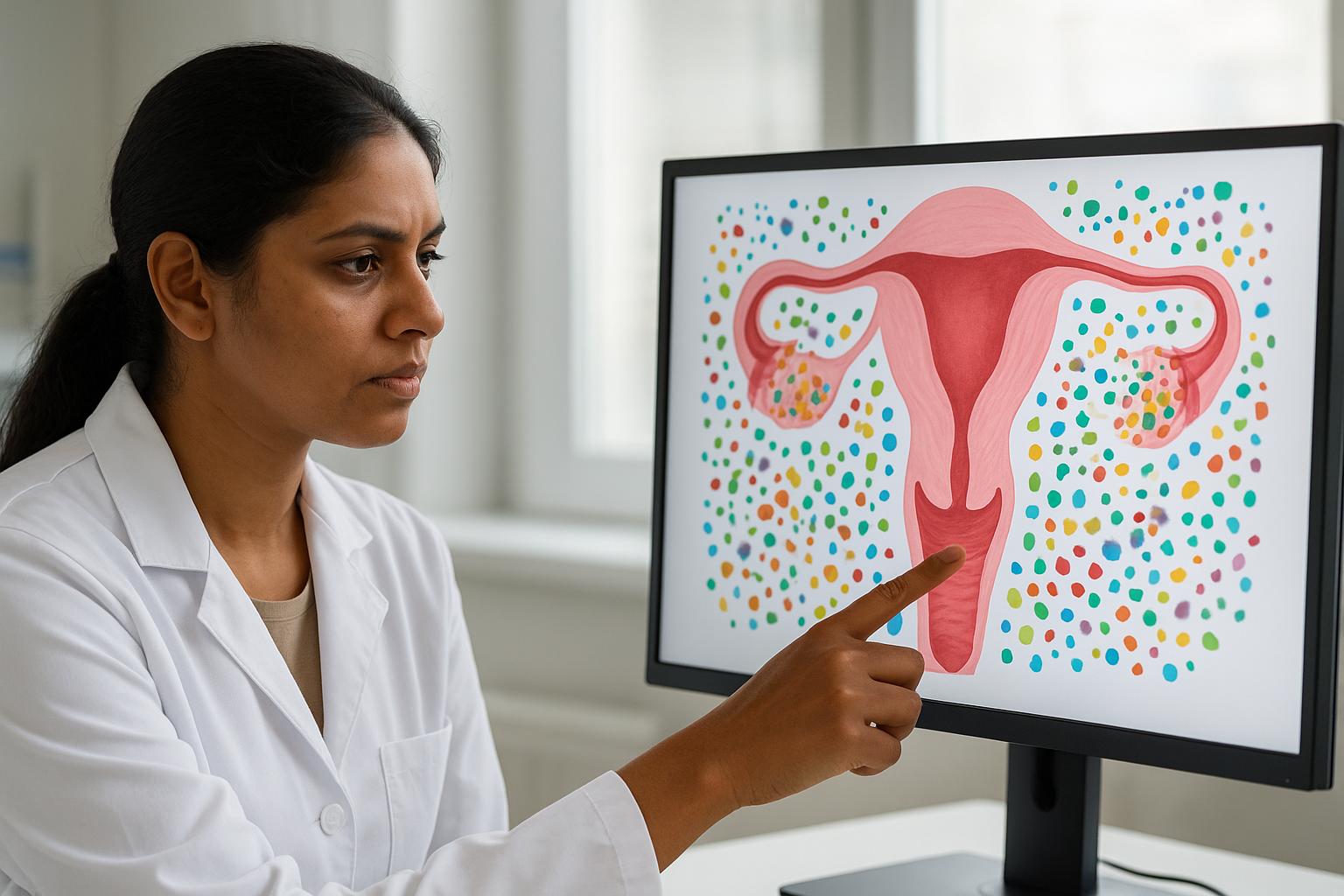
A newly developed algorithm is offering researchers a clearer view of the vaginal microbiome, uncovering layers of diversity that standard approaches can miss. The work focuses on mapping variation across global populations and genetic differences, aiming to strengthen the precision of reproductive health research.
The vaginal microbiome refers to the community of microorganisms found in the vagina. Its composition can vary widely between individuals and across groups, and these differences are increasingly studied for their links to reproductive health. However, measuring and comparing microbiomes at scale can be challenging, particularly when subtle patterns are hidden within large datasets.
According to details shared by EMJ, the new algorithm is designed to map “hidden” diversity. It brings together signals that reflect both global variation and genetic diversity, producing a more detailed profile of microbiome differences than conventional analyses typically provide.
By capturing a broader range of microbiome patterns, the method is intended to help researchers classify and compare vaginal microbiomes with greater accuracy. This can be important in reproductive health research, where precise identification of microbiome differences may shape how studies are designed, interpreted, and compared across regions and populations.
The approach also supports the wider move toward precision tools in health research. Rather than treating microbiome profiles as uniform or easily grouped, the algorithm highlights that microbial communities may be more diverse and structured than previously recognised, especially when global and genetic factors are considered together.
The findings add to the growing body of research examining how microbial ecosystems differ across people. With more refined mapping, researchers may be able to better describe microbiome diversity in study cohorts and improve the reproducibility of results across different settings.
The report underscores the value of advanced computational methods in microbiome research. As datasets expand and more populations are included, tools that can detect subtle diversity may play a larger role in understanding reproductive health and related conditions.