


Actor Disha Madan has spoken about her postpartum phase, describing it as an enjoyable period supported by a disciplined home-cooked South Indian diet planned by her mother. She credited the food routine for helping her feel stronger during recovery after childbirth.
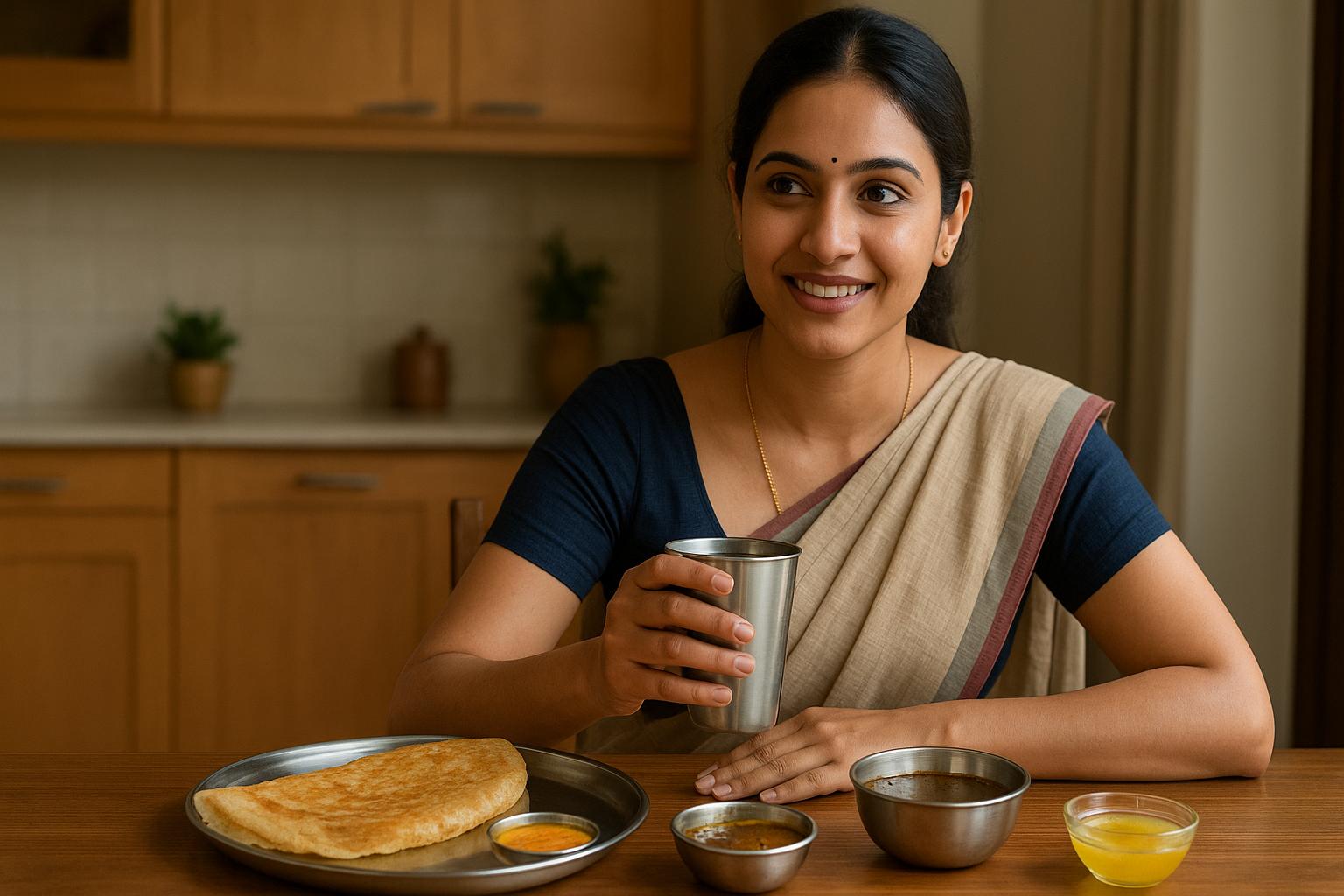
According to Madan, the meals were strict in structure but still satisfying, with an emphasis on traditional ingredients commonly used in South Indian households. The diet included preparations such as menthe dosa, pepper rasam and ghee, which are often recommended in family-led postpartum care.
Menthe dosa: protein-focused postpartum food
Madan highlighted menthe dosa as part of her recovery menu. The dish is typically associated with higher protein content, which can be useful in a postpartum diet that aims to rebuild strength and support overall nourishment. In many homes, protein-rich meals are prioritised during this period to help meet increased nutritional needs.
Pepper rasam: minerals and warmth in a bowl
Pepper rasam was another key item she mentioned. Rasam is a light, soup-like preparation and pepper is traditionally used in foods meant to feel warming and easy to digest. The recipe is also linked with mineral intake depending on ingredients used at home. In postpartum routines, such preparations are commonly served because they are considered comforting and suitable for regular consumption.
Ghee and traditional ingredients linked with milk supply
Madan also referred to ghee as part of her postpartum diet. Traditional practices across India include ghee in recovery meals, often paired with other foods. In the same conversation, the role of certain traditional ingredients as natural galactagogues was discussed. Galactagogues are foods that are popularly believed to support breast milk production.
The focus of the diet, as described, was not limited to taste but also aimed at supporting lactation and overall recovery. The combination of protein-forward dishes and staple preparations like rasam and ghee reflects how postpartum nutrition in many Indian families relies on familiar, time-tested foods.
Madan’s account adds to ongoing public conversations about postpartum care in India, where many new mothers continue to follow regional food traditions for recovery and breastfeeding support.