

Beijing watches the Middle East conflict with calculation
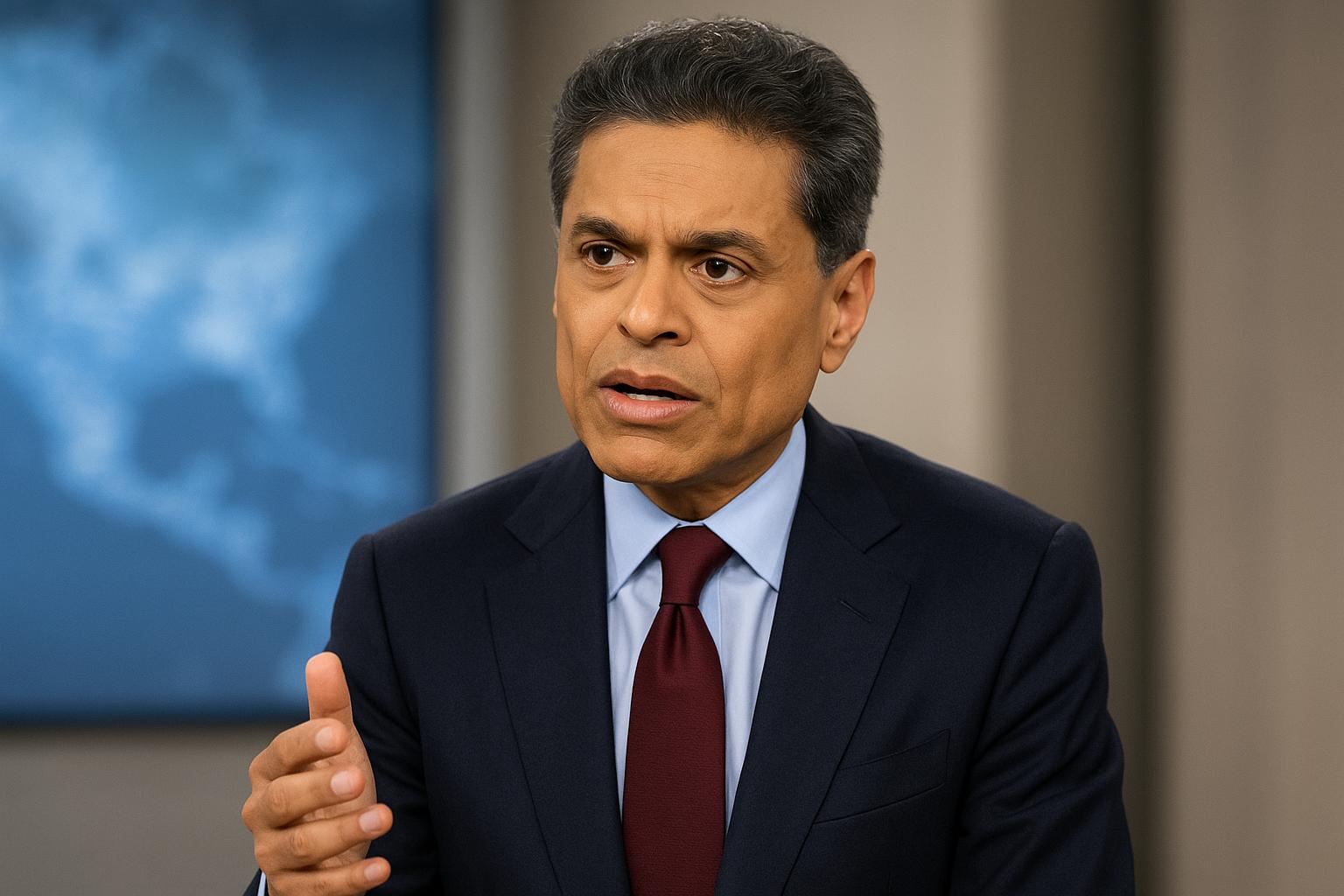
Images and updates from the war in the Middle East are being tracked closely in Beijing, but not in a mood of panic, according to political analyst and commentator Fareed Zakaria. In his assessment, China is treating the conflict as a strategic case study, focusing on what the latest round of US military involvement reveals about Washington’s decision making and global posture.
The developments, Zakaria notes, are being observed through the lens of long term competition between major powers. Rather than reacting emotionally to the turmoil, Chinese officials and strategists are measuring the implications for their own planning and priorities.
Lesson one: Washington is pulled back into war
The first lesson Zakaria highlights is straightforward: the United States has again found itself drawn into war in the Middle East. For China, this is not merely a regional story. It is evidence that even after years of efforts to shift focus, US attention and resources can be redirected by crises in the region.
From Beijing’s perspective, repeated US involvement underscores how conflicts can demand sustained diplomatic bandwidth and military readiness. The fact of another American war, Zakaria suggests, is being read as a reminder that Washington’s global agenda can be reshaped by events far from the Indo Pacific.
For Chinese planners, observing the speed, scale, and political pressures surrounding US action helps them understand the limits and demands on American power during international emergencies.
Lesson two: The conflict offers a real time playbook
The second lesson Zakaria points to is that the conflict provides a real time look at how the United States operates under wartime conditions. Beijing is watching the choices Washington makes, the way it communicates and manages alliances, and how it frames its objectives.
Zakaria’s framing indicates that China is studying not only the battlefield dynamics shown through widely shared images, but also the broader picture of how the US responds when it must act quickly and publicly on a global stage.
Such observation, he argues, is less about immediate alarm and more about extracting patterns that could inform China’s own strategic thinking, especially about crisis management and the realities of prolonged conflict.
Why these lessons matter
Zakaria’s central point is that Beijing views the war’s visuals and headlines as data. The conflict is being analyzed for what it reveals about American priorities and constraints, and for what it can teach about the conduct of power in a turbulent international environment.
His remarks underline that major geopolitical events are closely monitored not only for their direct consequences, but also for the signals they send to rivals watching from afar.