


India’s large health surveys collect detailed information about women’s bodies and daily routines, but a report points to a missing question that could change how the findings are understood: what women had to give up, and why.
The report, published by The South First, notes that national surveys conducted every few years measure women’s health through indicators such as weight and blood tests. They also ask about food intake and how women spend their hours. However, the report says these exercises often do not capture the sacrifices behind those numbers, especially the loss of time for regular physical activity.
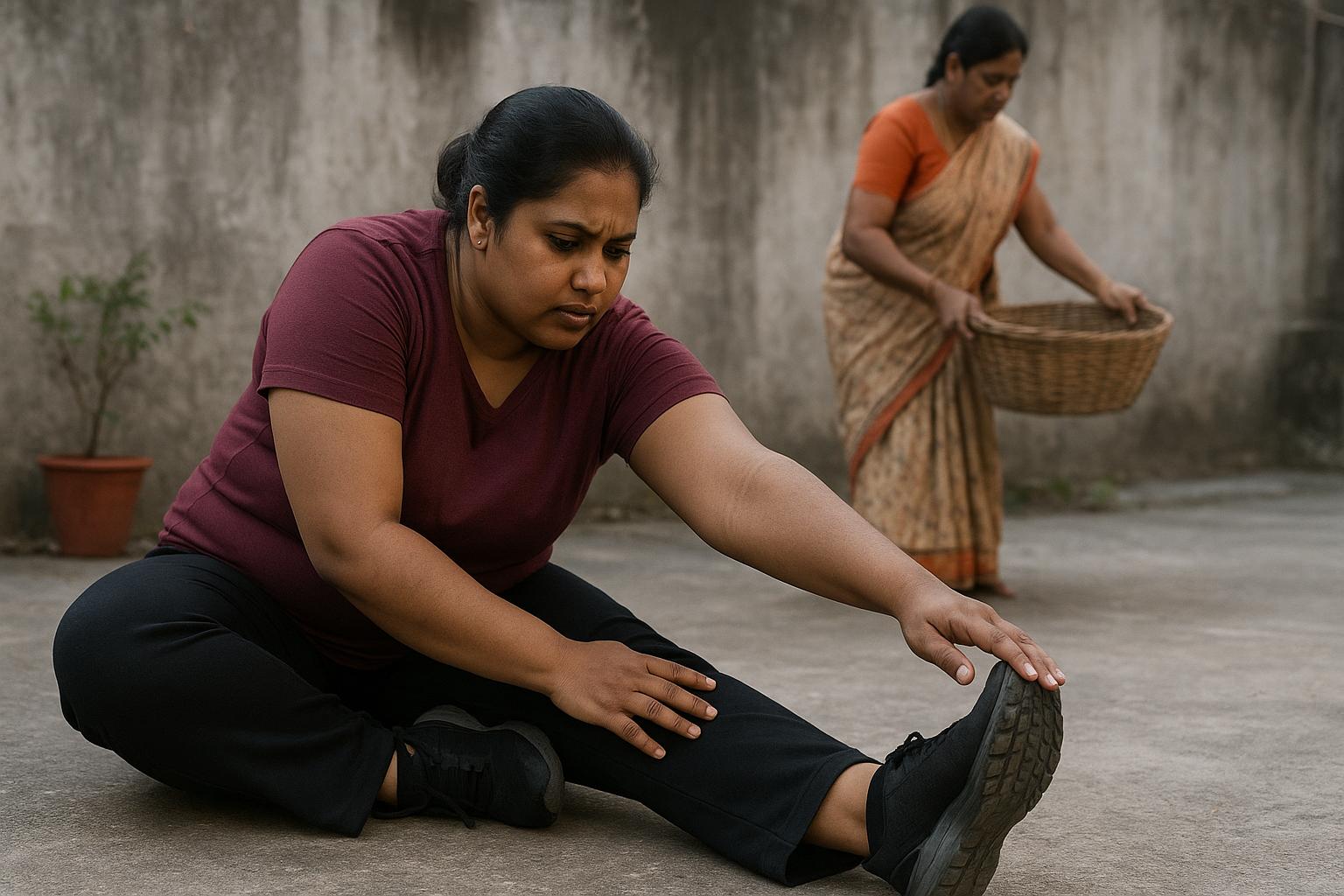
According to the report, unpaid work is a key reason many women forgo exercise as they grow older. The daily load of household tasks, caregiving and other responsibilities can reduce the time and energy available for intentional movement, even when surveys record that a woman is active in other forms of labour.
The report draws attention to how the structure of data collection can shape public understanding. When surveys focus mainly on measurable outcomes like weight or blood parameters, it becomes easier to overlook the trade offs women make to keep households running. The report argues that without asking when women stopped exercising, or what replaced that time, the picture of women’s health remains incomplete.
India’s periodic surveys are widely used for tracking nutrition and health trends over time. They inform research, planning and assessments across states and districts. The report suggests that adding questions about what women have had to drop from their routine could help explain patterns observed in health data, and could improve how interventions are designed.
The report frames this gap as part of a broader issue in measuring women’s wellbeing. It highlights that while surveys document what women eat and how they spend their day, they rarely record the pressures that may push exercise and self care to the margins.
The report does not make claims beyond the survey design issue it identifies. Instead, it calls attention to the difference between documenting behaviours and understanding the constraints behind them, particularly in the context of unpaid work that grows with age and family responsibilities.