





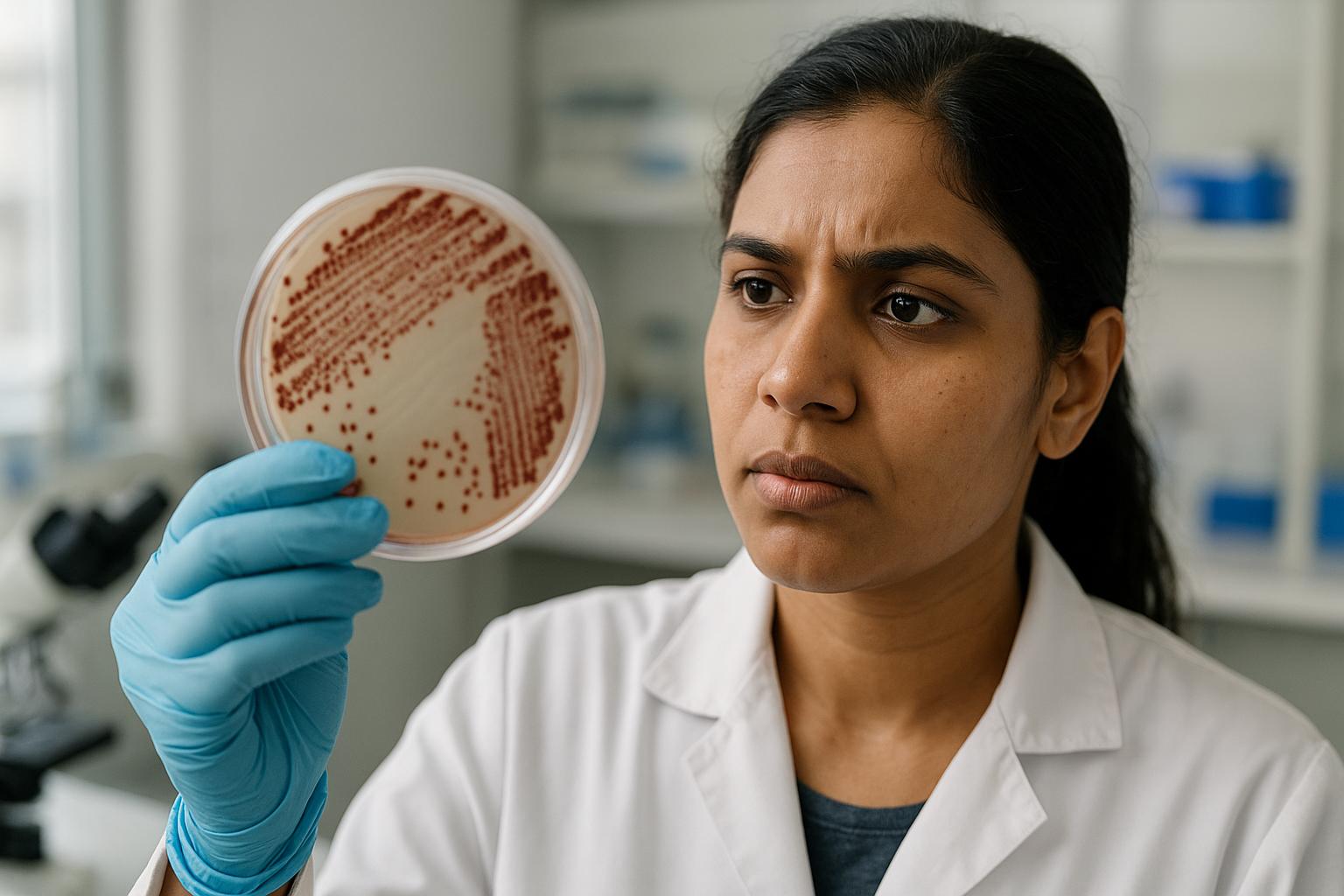
Ancient microbe revived from ice
Scientists have successfully revived a bacterium believed to be around 5,000 years old after it was recovered from ice, according to a report by India News Network. The microbe had remained preserved for millennia, offering researchers a rare chance to study how ancient bacteria behave in modern laboratory conditions.
The work adds to growing interest in microorganisms locked in ice and permafrost, which can remain dormant for extremely long periods and still become active when conditions change.
Early signs of an effect on superbugs
During testing, the revived bacterium showed the ability to inhibit certain superbugs, a term used for microbes that are difficult to treat due to resistance to multiple antibiotics. Researchers observed that substances produced by the ancient bacterium could slow down or block the growth of some drug resistant bacteria.
This type of finding is closely watched because antibiotic resistance continues to reduce the effectiveness of existing medicines. Any new source of antibacterial activity, even from unexpected places such as ancient ice, can help scientists better understand how bacteria compete with each other and how anti microbe compounds might be identified.
Why scientists are also cautious
The report also highlights concerns linked to reviving ancient microbes. One risk is that old bacteria could carry genes associated with antibiotic resistance. If such traits are present, they could potentially complicate laboratory handling and raise broader biosafety questions.
Researchers noted that the same biological features that may help a bacterium survive in harsh environments could include mechanisms that protect it from antibiotics. That makes careful screening and controlled procedures important when working with revived organisms.
Balancing promise and safety
The discovery is being seen as a combination of opportunity and responsibility. On one side, the revived bacterium could provide insights into natural antibacterial strategies, including compounds that interfere with resistant pathogens.
On the other side, scientists are alert to the possibility that studying ancient organisms could also uncover resistance factors that need to be contained and understood to avoid accidental spread.
India News Network reported that the revived bacterium has shown potential against superbugs, while also underlining the need for safety checks because of the possible presence of antibiotic resistance.