



Associate teams push favourites, Erasmus highlights T20’s unpredictability
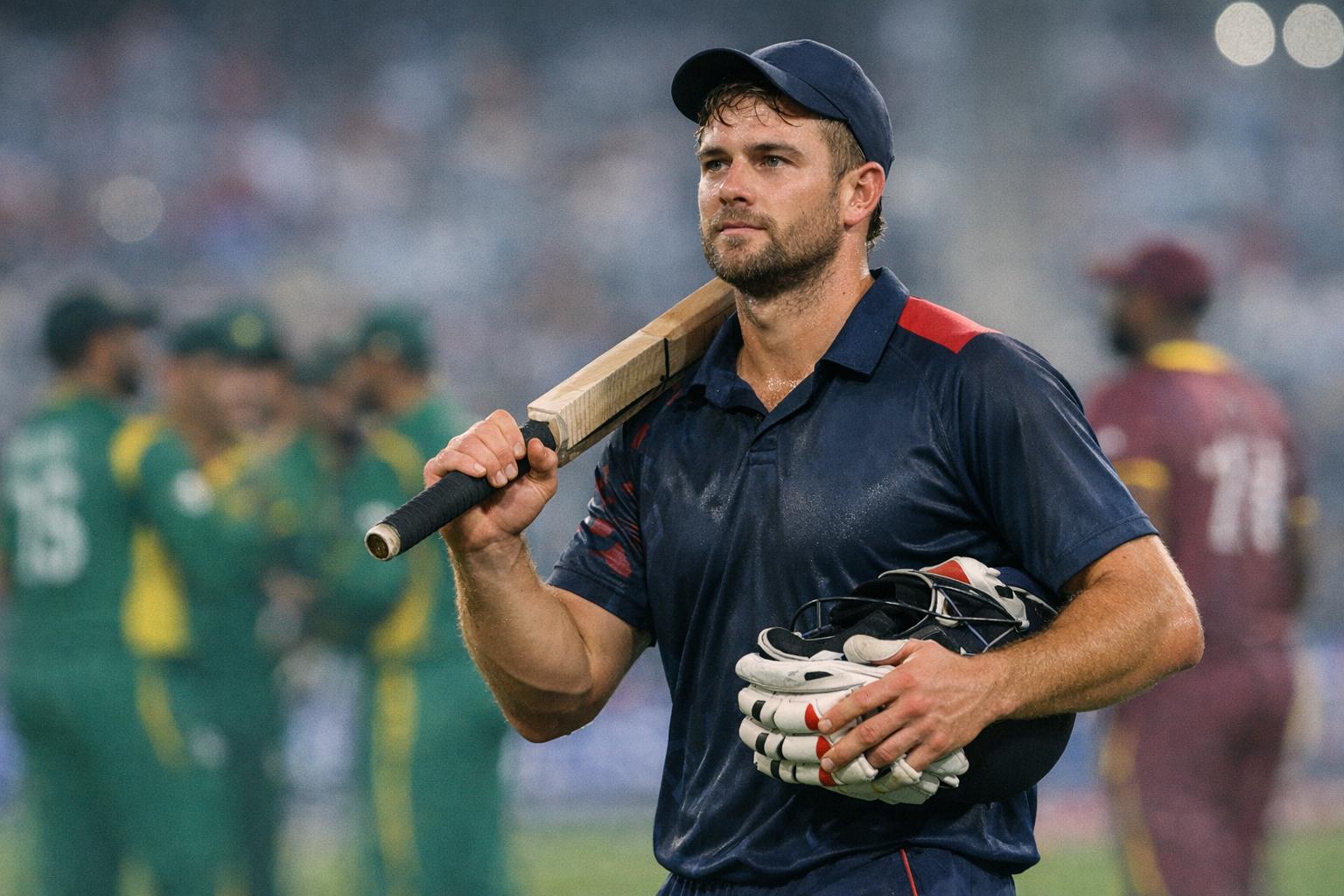
Namibia captain Gerhard Erasmus has said there are no minnows in T20 cricket, pointing to how quickly matches can turn in the format and how often Associate nations now challenge higher-ranked teams.
His comments come during the ongoing T20 World Cup, where, within a span of less than 24 hours, three Associate teams were involved in games that came close to producing major upsets. The Netherlands, the USA and Namibia each put strong opposition under pressure and kept results in doubt deep into their matches.
Erasmus said such results underline the changing landscape of the shortest format, where a brief burst with the bat or ball can reshape an entire contest. He stressed that teams outside the traditional elite are increasingly equipped to compete, and that the term “minnow” does not reflect what is happening on the field.
Namibia captain calls for greater playing opportunities
Along with rejecting labels, Erasmus argued that Associate teams need more exposure against top opposition. He indicated that regular games at a higher level are important for improving skills, building confidence and sustaining progress.
For many Associate sides, major global tournaments remain the primary stage to play against established nations. Erasmus’s remarks focused on the value of increased access, suggesting that more frequent high-quality competition would help teams develop faster and make the overall international calendar more competitive.
Tournament moments add weight to the argument
The near-upsets involving the Netherlands, the USA and Namibia were cited as examples of how close the gap can appear in T20 cricket. In each case, the matches remained tight, showing that Associate teams can take games to the wire and force opponents to fight for wins rather than coast through.
While results ultimately depend on performance on the day, the cluster of close contests over a short period has drawn attention to the depth in the global game and the impact of T20’s condensed, high-pressure nature.
Erasmus’s message was clear: in modern T20 cricket, reputations offer little protection, and Associate teams deserve more chances to prove their ability beyond the World Cup stage.