
The conflict involving the US, Israel and Iran has moved into its fourth week, with fresh warnings centred on the Strait of Hormuz, one of the world’s most critical oil and gas transit routes.
US President Donald Trump, speaking on Saturday IST, issued Iran a 48 hour ultimatum to reopen the Strait of Hormuz. The warning raised the stakes further, as Tehran responded with a series of defiant statements and threats of retaliation linked to regional energy infrastructure.
Iran said it would tighten its blockade of the strait if the United States attacks Iran’s power grid. Tehran also warned that if US threats to strike power plants become reality, Iranian forces would target critical infrastructure and energy facilities across the region.
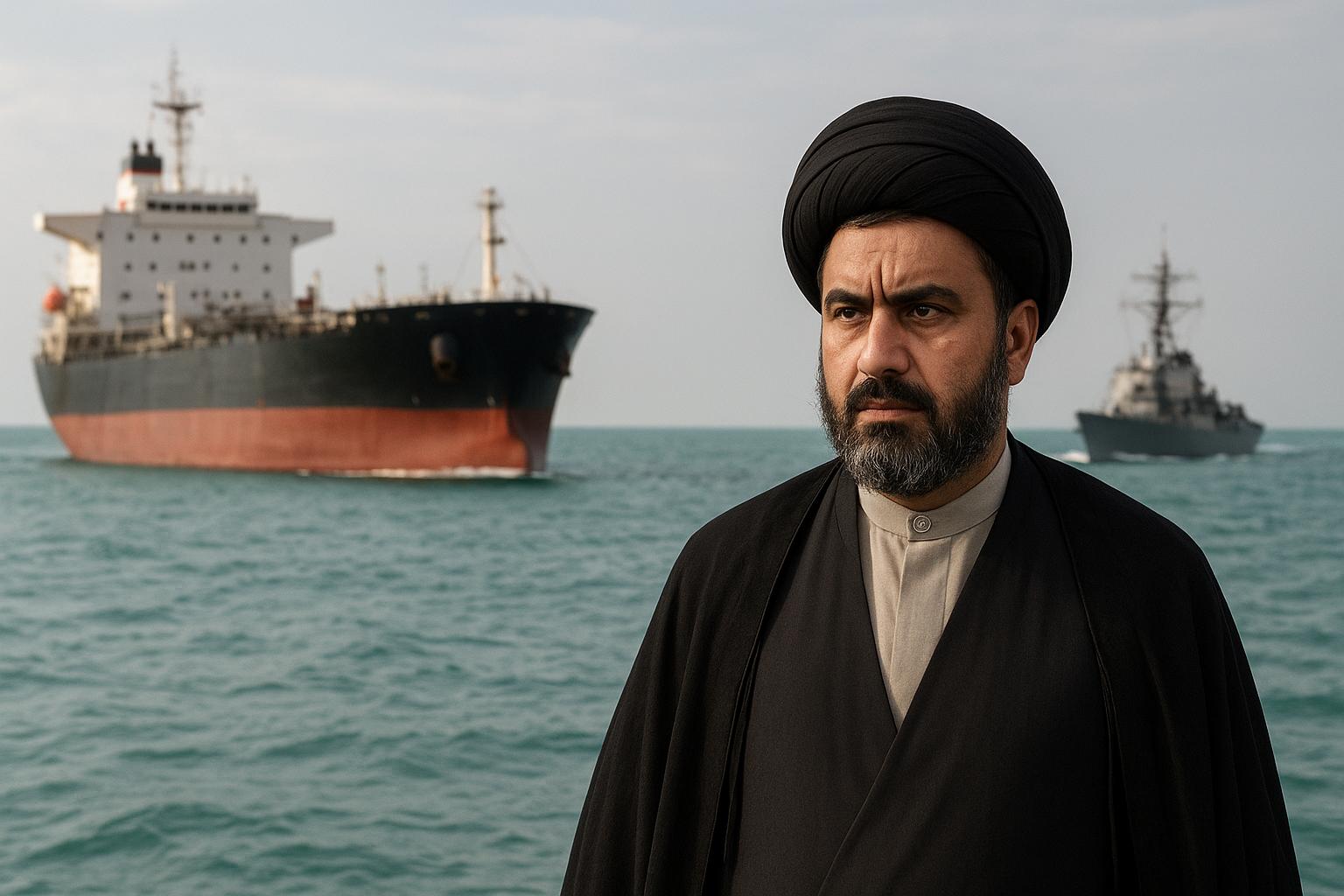
In a separate warning, Iran said the entire Persian Gulf could be blocked if Iranian islands are attacked. The statement signals a potential widening of disruptions beyond the Strait of Hormuz, a choke point that already draws global attention during periods of heightened tensions.
Meanwhile, Iran claimed it intercepted and targeted a US F 15 fighter jet near Hormuz Island after alleging that the aircraft violated Iranian airspace. The United States rejected the claim, describing it as a rumour.
On another front, Israel has opened an investigation into its air defence performance after Iranian missiles struck southern Israel on Saturday local time. According to the update, the probe aims to determine how the missiles were able to bypass Israel’s air defence systems during the attack.
The developments underline a rapidly evolving situation in which maritime access, energy security and air defence are all under scrutiny. Officials on multiple sides are issuing statements that suggest the immediate focus is not only on battlefield actions but also on infrastructure and strategic routes that affect the wider region.
The latest exchanges come as international attention remains fixed on whether the Strait of Hormuz stays open and on how the conflict could impact energy flows through the Persian Gulf.