

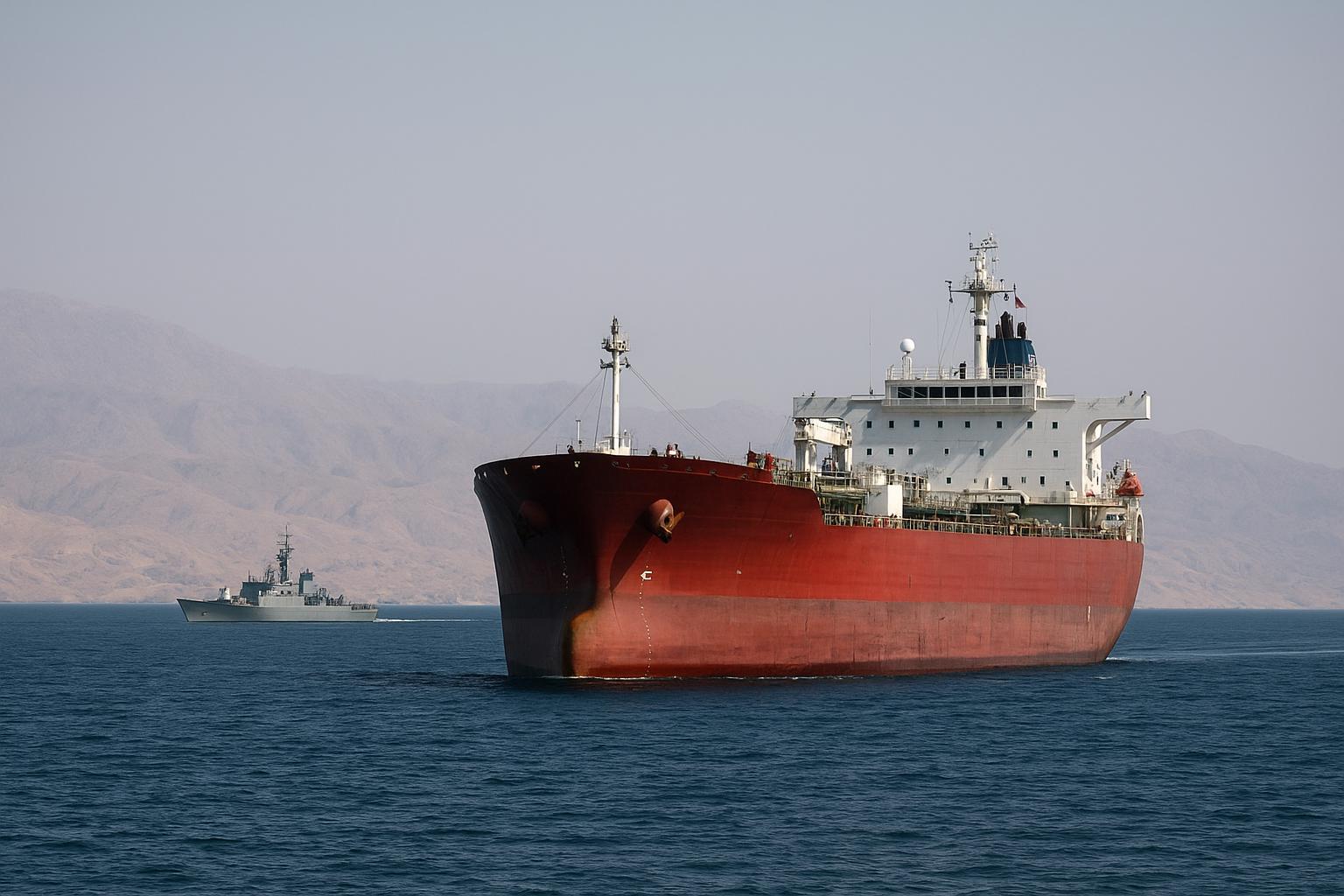
Iran sets conditions for passage through Strait of Hormuz
Iran said the Strait of Hormuz remains open for maritime traffic, but not for the United States and its allies. The remarks were made as the West Asia conflict continues, keeping global attention fixed on one of the world’s most critical oil transit routes.
The Strait of Hormuz links the Persian Gulf to the Gulf of Oman and the wider Arabian Sea. It is widely regarded as a strategic chokepoint for energy shipments because a large share of seaborne crude oil and petroleum products pass through the narrow waterway.
Tehran urges countries to avoid a wider conflict
Along with its comments on access, Iran urged nations to take steps that would prevent the conflict from spreading further across the region. The message was framed as a warning against escalation at a time when shipping and energy markets are closely watching for disruptions.
No additional operational details were provided in the statement, including how restrictions would be implemented or what guidance would apply to specific vessels or flags.
Trump calls for international action on oil supply security
Iran’s statement came after Donald Trump called on other nations to help protect global oil supplies that transit through the Strait of Hormuz. His remarks highlighted the route’s importance to energy-importing economies and the potential global impact of any interruption.
While the call focused on safeguarding oil flows, the situation also raises broader concerns for commercial shipping, including insurance costs, route planning and maritime security measures adopted by companies moving cargo through the region.
Why the Strait of Hormuz matters to global markets
The strait’s role as a gateway for energy exports means developments around access and security can quickly influence market sentiment. Any uncertainty around passage often draws attention from governments, shipping firms and refiners that rely on timely deliveries.
The latest exchange underscores the diplomatic and security pressures building around the waterway as the conflict continues. Further updates are expected as regional and international stakeholders respond to the evolving situation.