




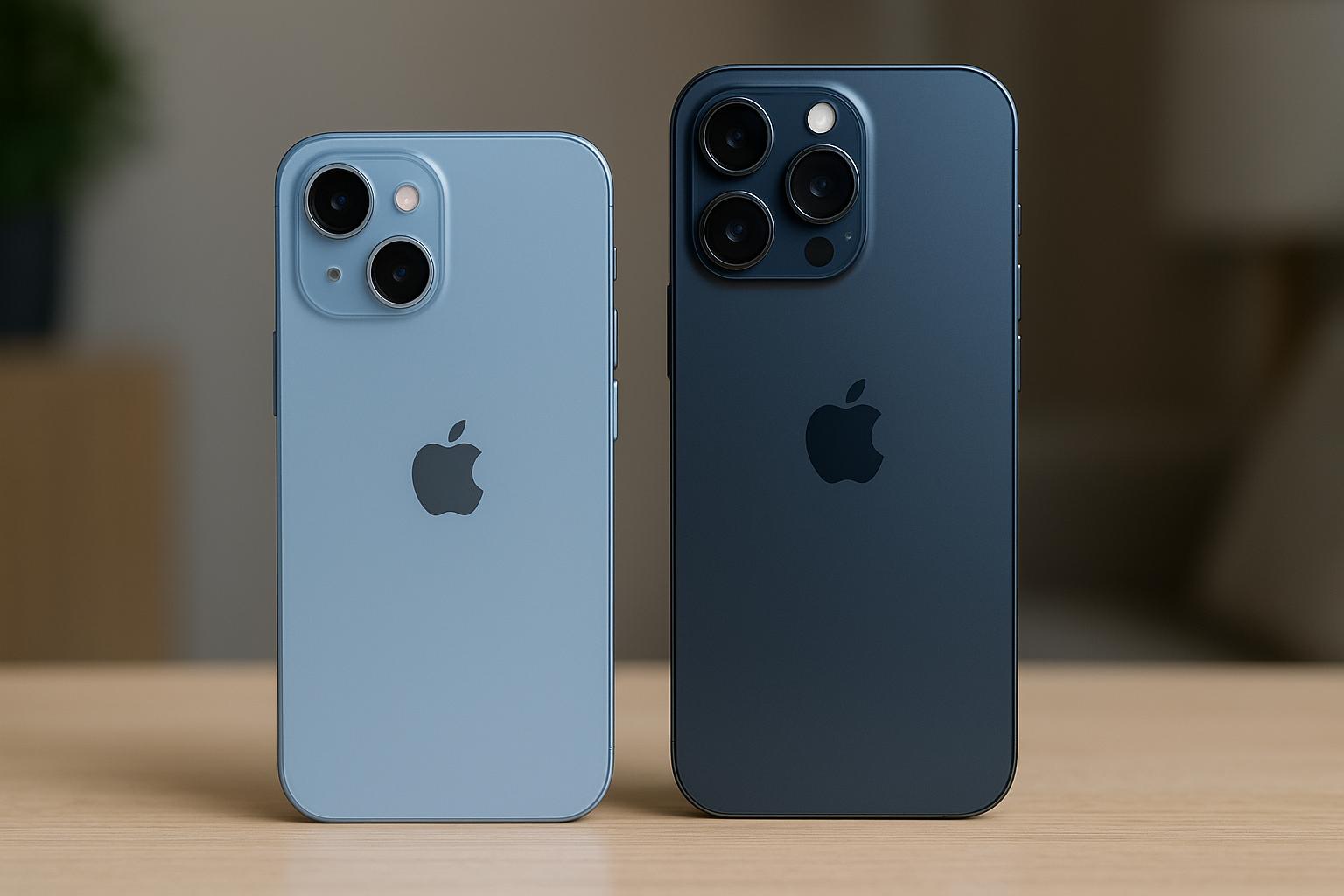
Apple has introduced the iPhone 17e in India as its new affordable iPhone, with a starting price of Rs 64,900. At the same time, the standard iPhone 16 from 2024 is also being sold in a similar price range, putting two closely priced options in front of buyers.
The overlap in pricing creates a straightforward comparison: a newly launched “e” model designed to be more accessible versus the previous year’s regular iPhone model that originally sat higher in Apple’s lineup.
Why the pricing is catching attention
The iPhone 17e’s launch price places it in a segment many shoppers associate with Apple’s entry level offerings. However, the iPhone 16 being available at a comparable price changes the equation, because it was positioned as the standard iPhone for 2024.
For customers looking at value, the decision becomes less about price and more about what each phone represents in Apple’s current portfolio.
How buyers can think about the decision
With both models close in cost, shoppers may weigh factors such as whether they prefer buying the newest model available in stores or choosing last year’s standard model that may be offered at a discount.
The iPhone 17e is presented by Apple as an “affordable” option in the iPhone 17 family. The iPhone 16, meanwhile, remains the regular model from the prior generation, which may appeal to those who prefer a standard series device even if it is not the latest release.
What the choice ultimately comes down to
According to the report, the better deal depends on what matters more to the buyer. Some customers may prioritise getting the newest iPhone generation at the lowest entry point available. Others may focus on the appeal of a standard iPhone model that has come down to the same bracket.
Since pricing for the iPhone 16 can vary by seller and availability, buyers are likely to see slightly different deals across channels. But the key takeaway remains the same: Apple’s latest budget iPhone and the previous year’s standard iPhone are now competing in the same segment.
For Indian consumers considering an upgrade, the unusual price parity means the shopping decision is not just about affordability, but about choosing between Apple’s newest “e” option and the iPhone 16’s position as the earlier mainstream model.