





H5N1 confirmed in gentoo penguins on remote Australian territory
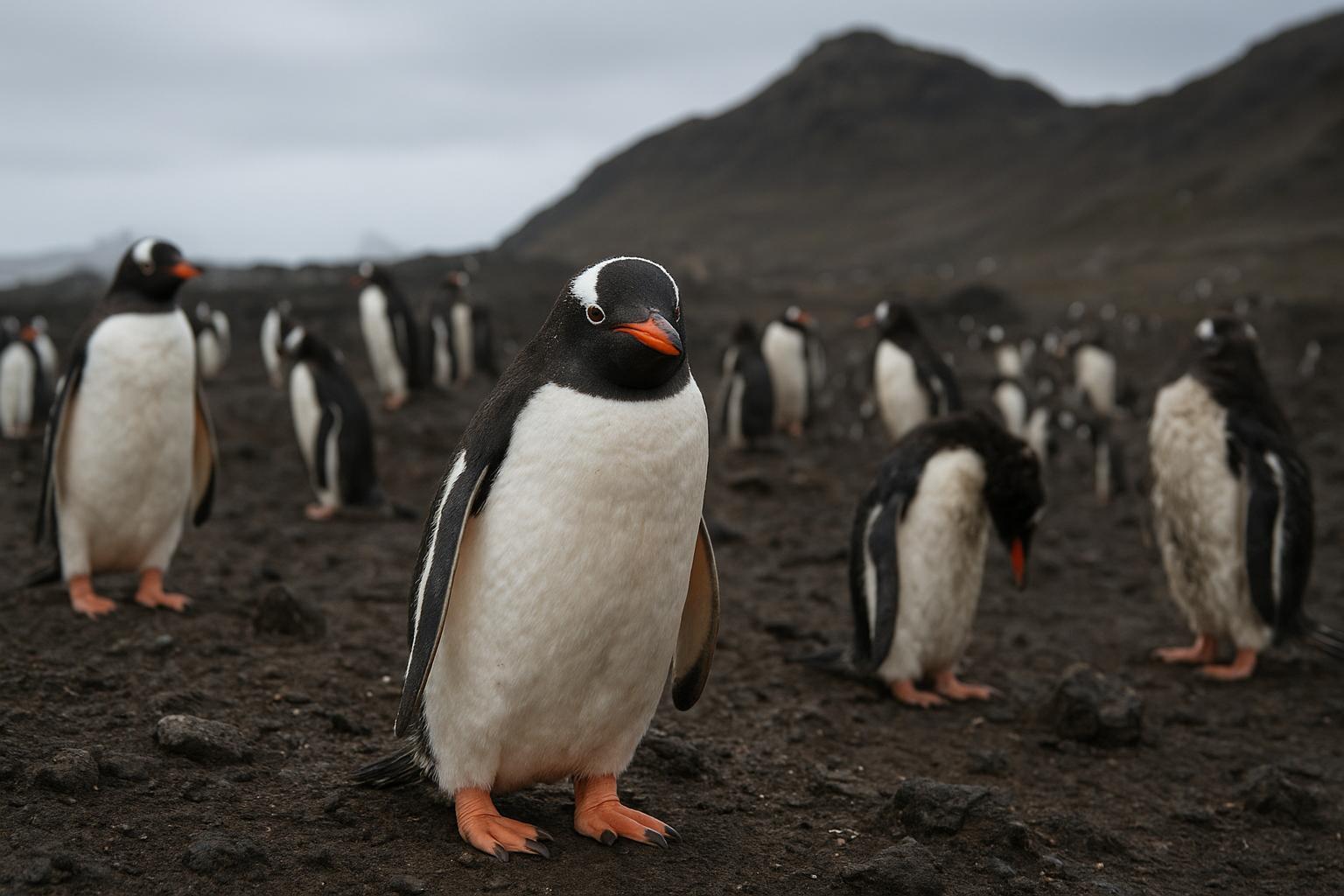
Gentoo penguins on Heard Island, an Australian territory in the subantarctic region, have been confirmed infected with the H5N1 strain of bird flu. The detection has been reported as the first time birds associated with Australia have been found infected with H5N1.
Heard Island is one of the most isolated places on the planet, located far from mainland Australia. It is known for large seabird and marine mammal populations, including penguin colonies. The new confirmation focuses on gentoo penguins, a species commonly found in subantarctic islands.
What the report says
The report states that gentoo penguins on Heard Island have been hit by bird flu, with H5N1 identified as the virus involved. The finding is significant because it links the highly pathogenic avian influenza strain to birds within Australia’s territory for the first time, according to the source report.
The development adds to global monitoring of H5N1, which has been detected in multiple regions and wildlife species in recent years. In this case, the affected animals are wild penguins living in a remote island environment rather than poultry or farmed birds.
Why Heard Island matters
Heard Island is part of Australia’s external territories and is valued for its pristine ecosystems and wildlife. Because of its extreme remoteness, it is often used as a reference point for understanding environmental change and wildlife health in the Southern Ocean.
An H5N1 detection in such an area draws attention to the vulnerability of wildlife populations even in places with minimal human presence. Penguins and other seabirds often gather in dense colonies, which can increase the risk of disease transmission within breeding groups.
Focus on wildlife surveillance
The report highlights the presence of bird flu in gentoo penguins, underlining the importance of disease surveillance in wild bird populations. Monitoring outbreaks in wildlife can help authorities and researchers understand where and how the virus is appearing, particularly in ecologically sensitive regions.
No additional details on the scale of infections or response measures were included in the source information provided.