
Beijing watches the war with calculation, Zakaria says
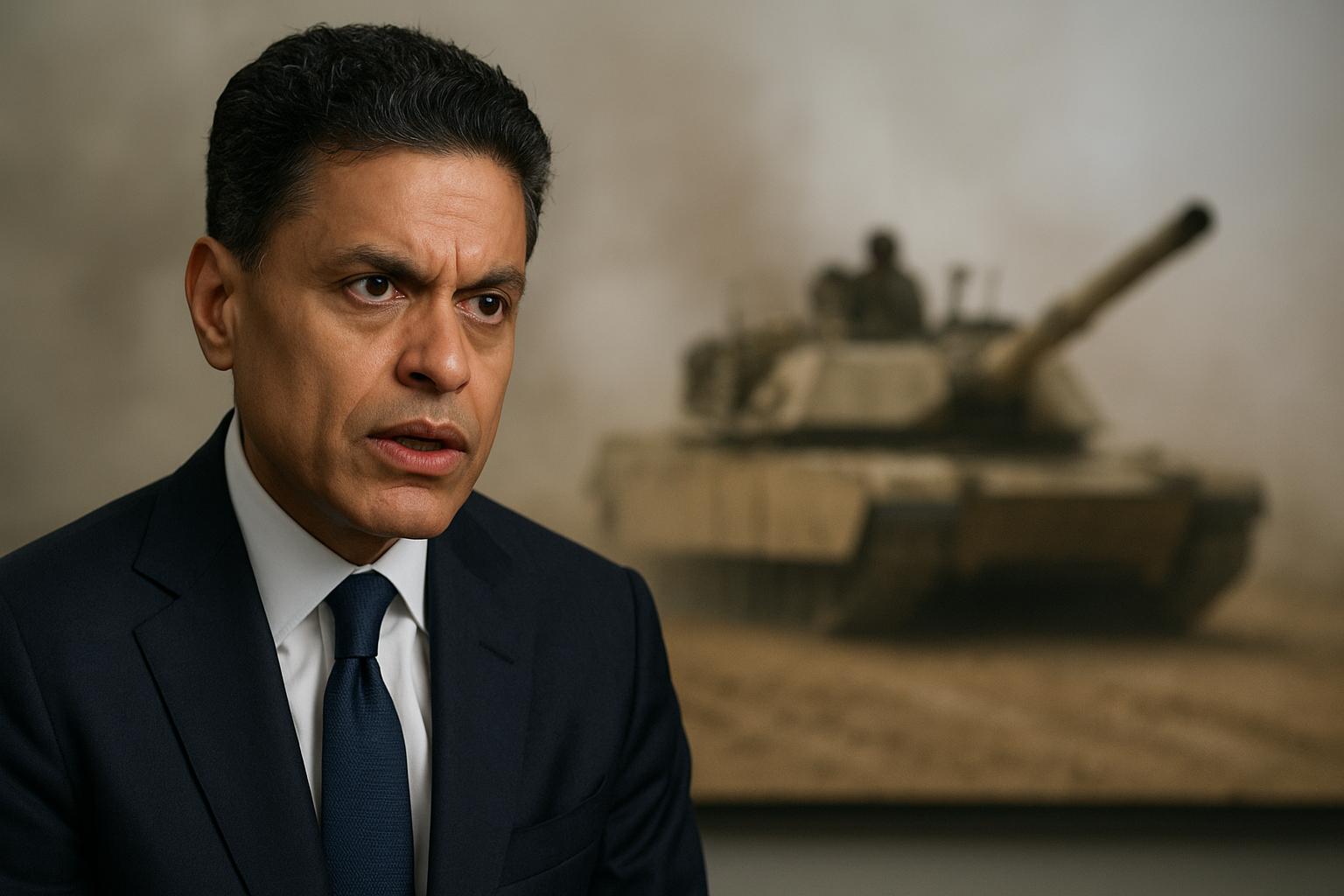
As the United States is drawn into another conflict in the Middle East, the unfolding images are being tracked closely in Beijing. Fareed Zakaria has said the reaction is not defined by panic, but by assessment, with Chinese policymakers studying what the renewed US involvement signals about Washington’s capabilities and focus.
The developments, Zakaria noted, are being treated as a live case study that could shape Beijing’s long-term planning. In his view, China sees the conflict less as a distant regional war and more as an event that reveals how the US conducts modern warfare and how it allocates attention when multiple global pressures compete.
Lesson one: what US warfighting reveals in real time
Zakaria pointed to the first lesson China is likely drawing from the situation: the practical demonstration of US military operations under current conditions. The conflict offers an ongoing view into American decision-making, coordination and execution, including how rapidly the US can act and how it manages sustained operations.
For Beijing, such observation is not merely about battlefield footage. Zakaria’s point was that wars provide information, from the pace of action to the role of alliances and logistics, and that this information can influence how rivals evaluate strengths and constraints.
Lesson two: what the war says about US priorities and bandwidth
The second lesson, according to Zakaria, relates to American priorities. A renewed US war in the Middle East inevitably demands political attention, military resources and diplomatic engagement. Beijing is therefore watching what this means for Washington’s broader global agenda.
The central question for Chinese planners, as Zakaria framed it, is how the US manages competing demands. A major military focus in one region can shape the timing and intensity of policy in others, and the war’s progress will be read for signs of how stretched or flexible American power appears.
Why the images matter beyond the Middle East
Zakaria emphasised that the war’s visuals and headlines carry significance far beyond the immediate theatre. For China, the conflict is a reminder that the US remains willing to use force, while also illustrating the costs and complexities of repeated military engagements.
As the Middle East conflict continues to dominate global attention, Zakaria’s remarks underline a parallel reality: major powers are studying it not only for what is happening on the ground, but also for what it reveals about their competitors.