





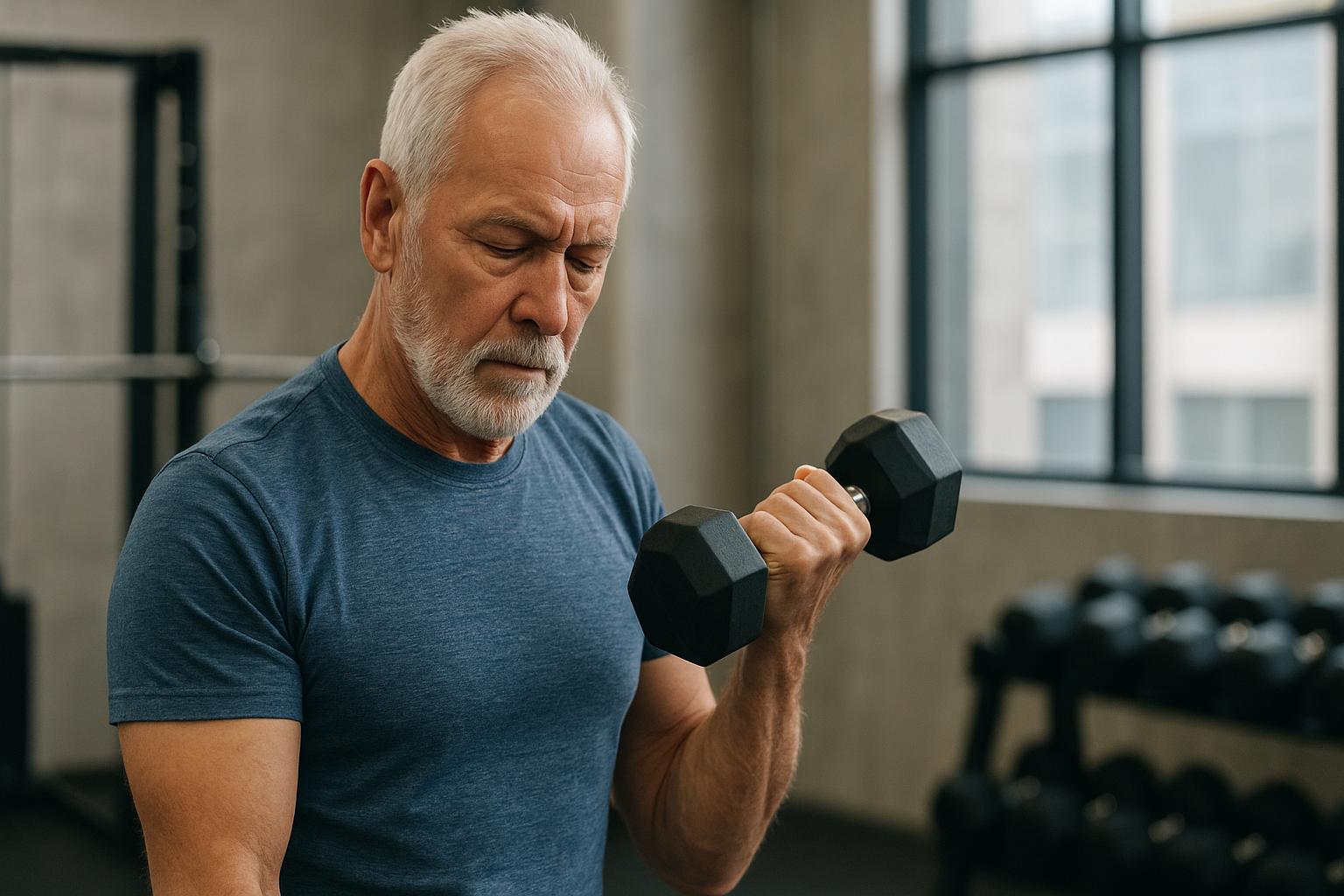
Resistance training linked to “younger” brain measures
Regular weight training may do more than build strength. A recent study has found that adults who consistently perform resistance exercises can show a slower rate of brain ageing, with the brain’s biological age estimated to be as much as 2.3 years younger compared with those who do not follow a similar routine.
The research adds to growing evidence that physical activity supports brain health, but it specifically highlights resistance exercise, which includes activities such as lifting weights and other strength based workouts.
What the researchers observed
According to the study, participants who engaged in resistance training had signs of better preservation of brain networks and connectivity as they aged. Brain connectivity refers to how different regions of the brain communicate with each other, a function that is important for memory, attention and overall cognitive performance.
The findings suggest that strength training may help maintain these connections over time, contributing to a slower pace of biological changes linked with ageing.
Why biological brain age matters
Biological age is different from chronological age. While chronological age counts the number of years a person has lived, biological age reflects how old the body or an organ appears based on measurable indicators. In this study, the focus was on biological ageing of the brain.
A lower biological brain age can indicate better overall brain health, although it does not by itself diagnose or rule out any medical condition.
A broader view of exercise and brain health
Strength training has long been associated with benefits such as improved muscle mass, bone health and metabolic function. The new research suggests it could also play a role in healthy brain ageing by supporting the structure and communication pathways within the brain.
While the study points to a strong association between regular resistance exercise and slower brain ageing, it underlines the importance of consistent physical activity as adults grow older.
The research was reported by Moneycontrol on February 12, 2026.