


UAE emerges as a frequent focal point
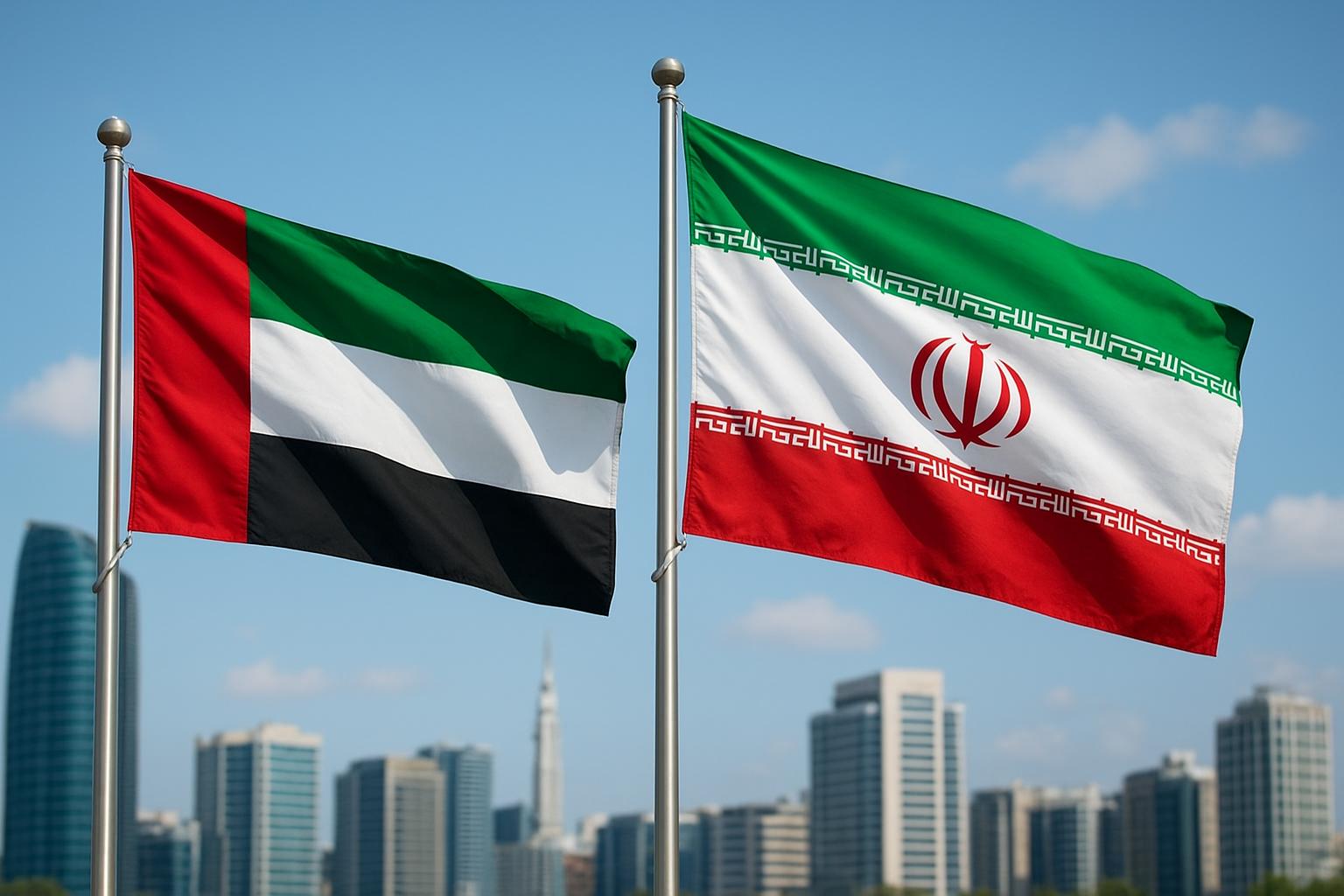
Iran’s attention on the United Arab Emirates has drawn scrutiny as tensions in the region continue to shape security calculations. While US military facilities in the UAE are often cited as the main reason, the underlying logic is broader, linking security, economics and regional connectivity.
The UAE’s geographic position and its dense network of global links mean that developments there can carry consequences beyond its borders. This makes it a sensitive arena in any strategy aimed at increasing pressure on Washington and its allies.
More than military basing
The presence of US military infrastructure in the Emirates is a key factor because it ties the UAE directly to American force posture in the Gulf. But the significance does not stop at defence sites. The UAE also functions as a major regional hub that supports travel, trade and logistics across the Middle East and beyond.
Because of this, any action affecting the UAE can create immediate ripple effects that touch commercial routes, service networks and wider regional movement. These effects can be felt quickly by multiple stakeholders, including US partners operating in and through the Emirates.
Why disruption can be felt fast
Iran’s focus on the UAE is closely linked to how integrated the Emirates are with international systems. The UAE’s role in financial and business activity adds to its importance, as market confidence and operational continuity are central to the way the country functions as a gateway for the region.
This connectivity can also amplify the impact of any security incident, even when the intended message is directed at Washington. The result is that a move aimed at signalling resolve can also create widespread attention due to the UAE’s global profile.
Regional partnerships and visibility
The UAE’s strong diplomatic and strategic ties across the region add another layer to why it becomes a focal point. These relationships often intersect with US interests, making the Emirates a place where regional alignments are highly visible.
In such an environment, pressure applied in or around the UAE can be interpreted as a message not only to the United States but also to a wider group of regional and international actors with a stake in Gulf stability.
A complex target in a complex region
The overall picture points to a more complicated rationale than a single military explanation. Iran’s targeting choices, as discussed in the NDTV report, connect the UAE’s defence links, economic role and regional positioning.
For observers, the central takeaway is that the UAE’s importance to multiple systems makes it a location where consequences can spread quickly, turning localised pressure into a broader regional concern.