

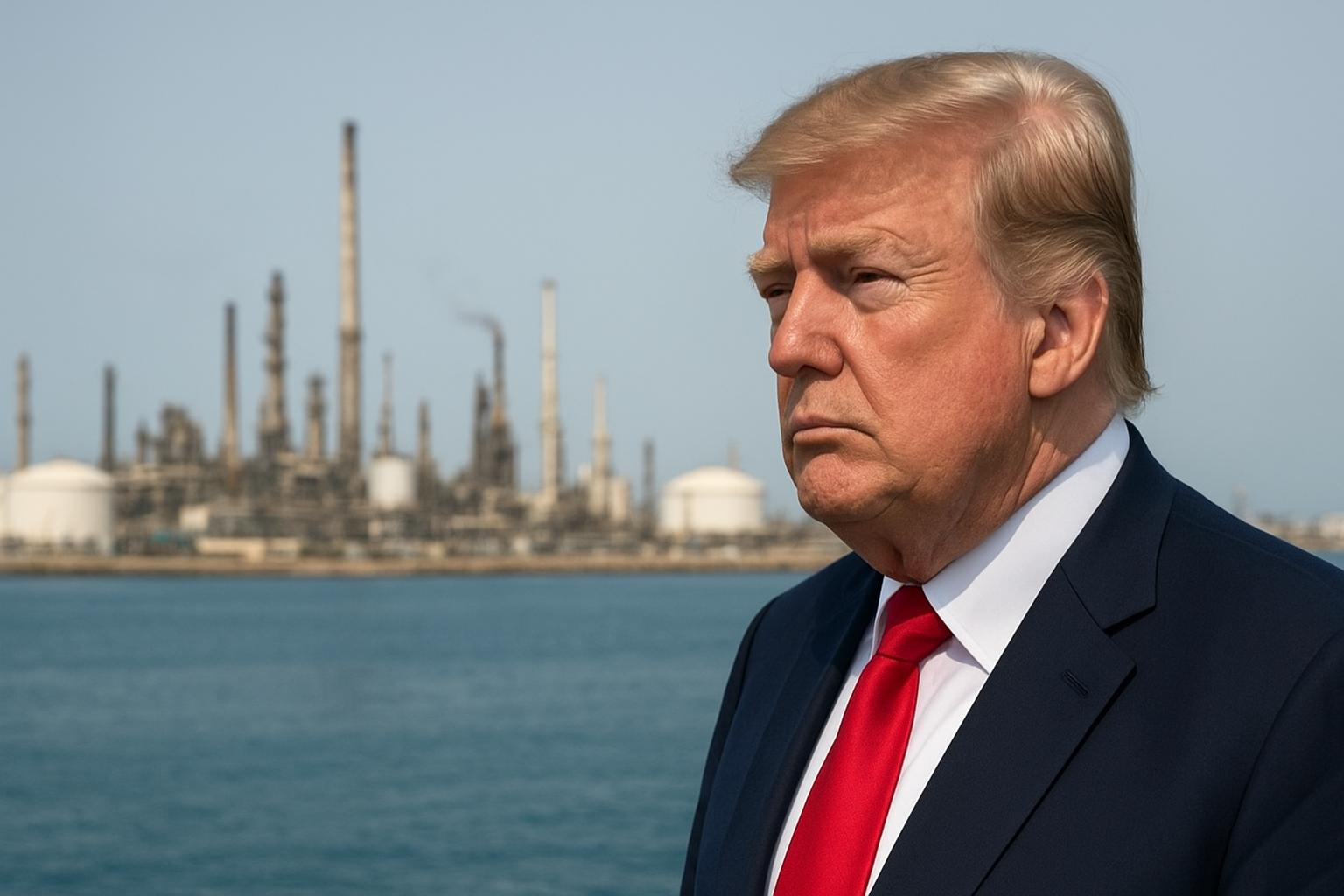
Report links Kharg Island idea to push for open Hormuz Strait
A fresh report highlighted in live developments on the Iran, US and Israel conflict says former US President Donald Trump is considering a plan involving Iran’s Kharg Island. According to the report, the proposal being weighed is aimed at forcing Tehran to keep the Strait of Hormuz open, a key global shipping route for energy supplies.
The update comes as monitoring continues of regional security incidents and alerts involving Iran-linked attacks and counter moves connected to the wider confrontation.
Conflict updates focus on Gulf incidents and infrastructure alerts
Live tracking of the situation has included reports of incidents and warnings across the Gulf region. The updates reference attacks and alerts affecting locations in the UAE, including Dubai, as well as Kuwait and Saudi Arabia.
The developments being followed include reports related to oil facilities and refineries, alongside airport-related alerts. The situation has been described as fluid, with multiple countries in the region on heightened watch as security agencies assess risks to critical infrastructure and civilian travel.
Why the Strait of Hormuz remains central to the crisis
The Strait of Hormuz is one of the world’s most important maritime chokepoints. Any disruption to traffic through the narrow passage can have immediate implications for energy shipments and regional security planning.
The report cited in the live coverage frames the Kharg Island idea specifically around pressuring Iran on the Hormuz issue. Kharg Island is widely known for its role in Iran’s oil export infrastructure, making it strategically significant in any conflict scenario involving energy routes and supplies.
Regional impact under close watch
Authorities and stakeholders across the Middle East are tracking the situation closely due to the potential for escalation to affect commercial aviation, shipping movement and energy operations.
The live updates continue to compile information on attacks, warnings and security responses across the region, with a focus on developments affecting Gulf countries and key transport and energy nodes.