




Strait of Hormuz becomes key pressure point
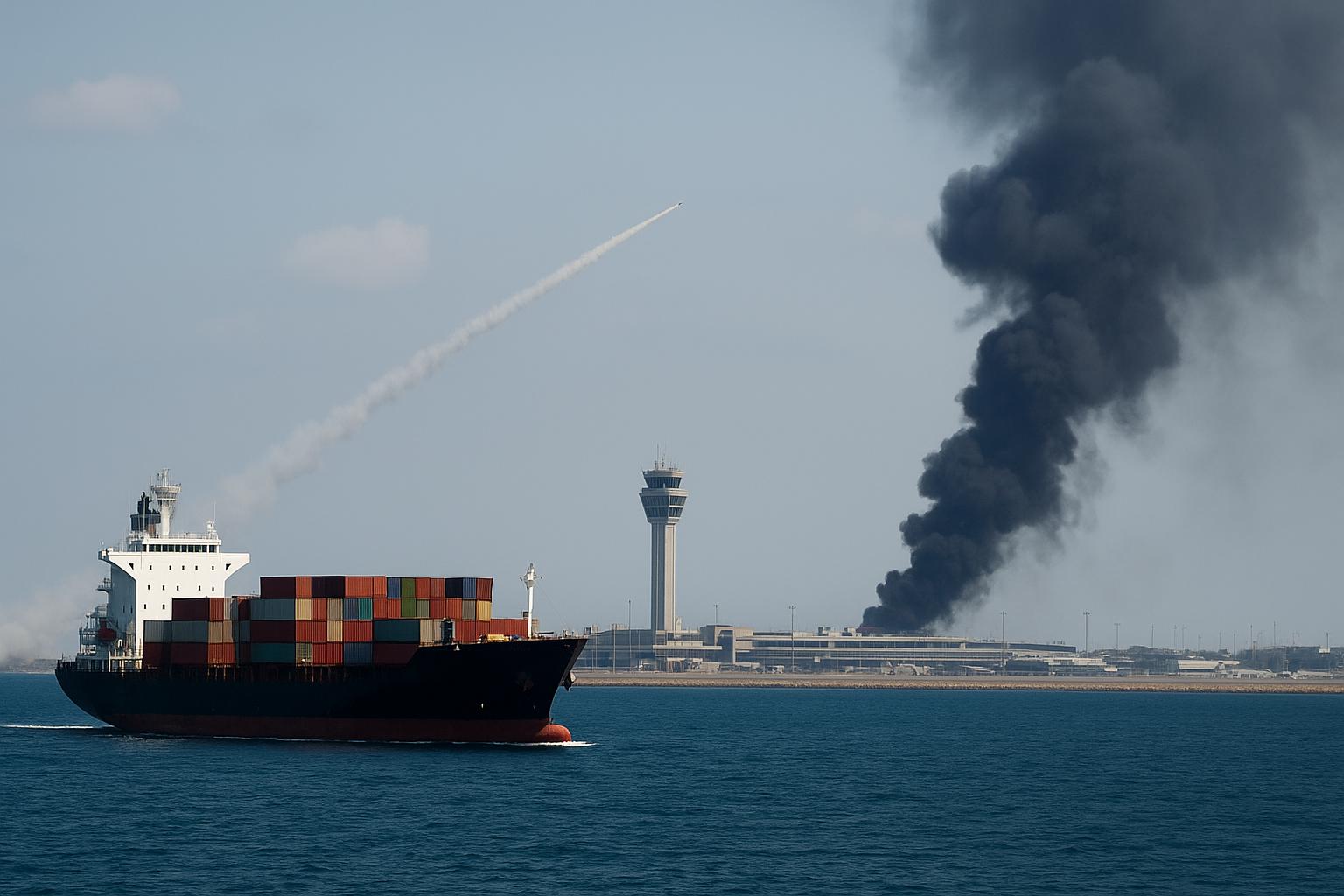
The escalating conflict involving the US, Israel and Iran is widening across the region, with the Strait of Hormuz emerging as a major concern for global shipping. Iran has directly connected disruptions in the narrow sea corridor to the ongoing war and rejected attempts to treat maritime security as a separate issue.
The Strait of Hormuz is one of the world’s most critical energy and cargo routes, and any instability there can affect international supply chains and freight movement. As tensions rise, international attention has turned to keeping the passage open for commercial vessels.
Greece calls for long-term steps to keep shipping lane open
Greece has pushed for a durable solution to ensure the shipping route remains functional and safe over the long term. The focus on a broader framework reflects growing worries among countries with shipping interests in the region, as disruptions are increasingly linked to wider hostilities.
India rules out vessel-swap talks but says engagement continues
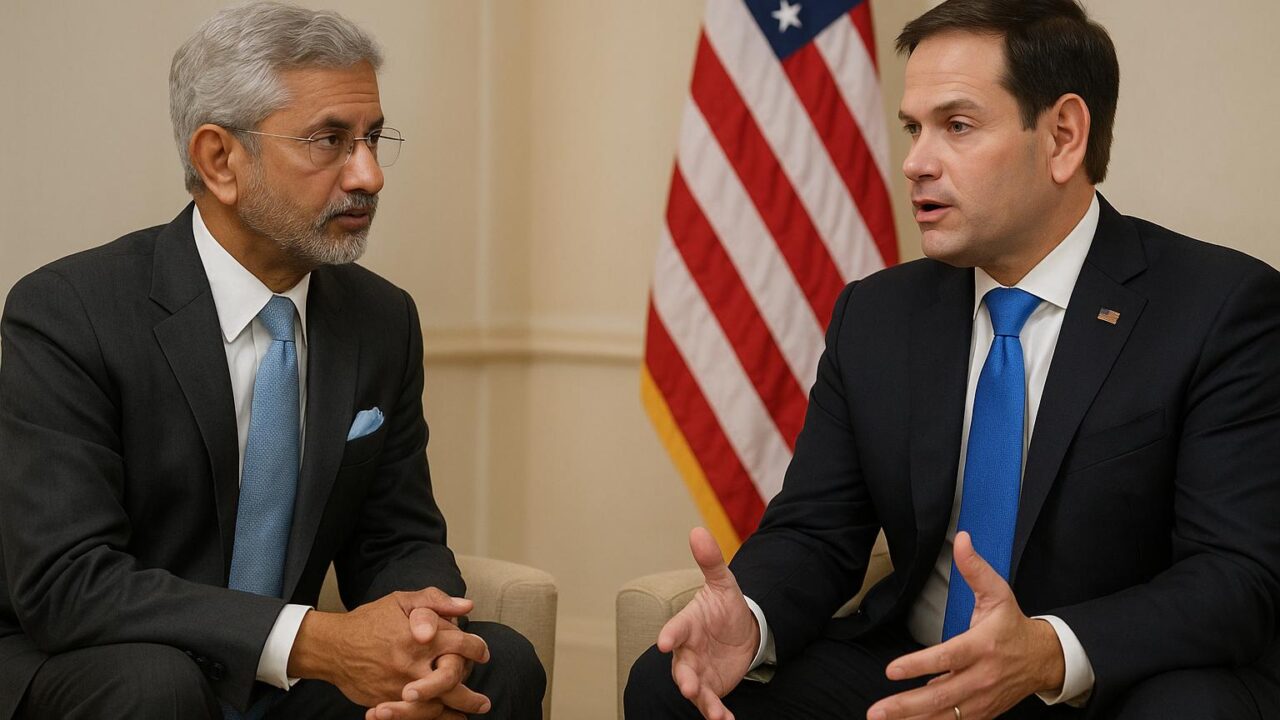
India has denied reports of any vessel-swap discussions with Iran. However, New Delhi said it remains engaged on efforts related to stranded ships, indicating that it is continuing diplomatic and operational coordination as the situation evolves.
Developments around commercial shipping have drawn attention in India given the country’s dependence on steady maritime trade flows, including energy imports and cargo movement through the Gulf region.
UAE airspace briefly closed amid threats, later reopened
In another sign of the conflict’s regional spillover, the United Arab Emirates temporarily shut its airspace following missile and drone threat concerns. The closure was brief, and the UAE later resumed airspace operations.
Short disruptions to airspace can have immediate effects on passenger travel and cargo routes, especially in a region that serves as a major global aviation hub.
Israeli strikes intensify in Lebanon; casualties reported among soldiers
On the ground, Israeli strikes have intensified across Lebanon, and casualties have been reported among Lebanese soldiers. The developments add to the expanding geographic footprint of the conflict, with cross-border activity becoming a prominent feature of the current escalation.
Tehran steps up internal crackdown
Iran has also increased internal crackdowns linked to allegations of foreign connections, as tensions remain high domestically and across the region.
White House suggests conflict may be short-lived
In Washington, the White House indicated that the conflict could be short in duration. US officials also stated that the American economy remains resilient, even as instability in the region raises concerns around trade routes and security.